

Amrut Spectrum

Amrut Spectrum is a unique whisky science experiment.
Whisky is aged in wood containers (typically called barrels, casks, or butts), usually made from some type of oak. As I explain in my Source of Whisky Flavour, the complex interaction with wood over time imparts a lot of the main characteristics to the final product.
But there is more than just time involved. The barrels can be made of different types of oak, which affects the final flavour. And they may be virgin wood (with the internal surface potentially charred to varying levels), or used barrels having previously contained other spirits (e.g. various types of fortified wine, other whiskies, etc.). The whisky can be transferred from one type of cask into another during aging, to introduce additional flavours (referred to as “finishing”). In the end, it can be bottled from a single cask – but more commonly, it is from a vatting of multiple casks (often including different cask styles).
Amrut Spectrum is something unique – a true single cask, yet reflecting multiple sources of wood. The base spirit spent 3 years in traditional ex-Bourbon oak barrels before being transferred into a single custom barrel for another 3.5 years. This unique custom barrel was built using the staves of 5 different kinds of barrels: new American Oak with moderate charring, new French Oak with light toasting, new Spanish Oak with light toasting, ex-Oloroso Sherry staves, and ex-Pedro Ximenez (PX) Sherry staves.
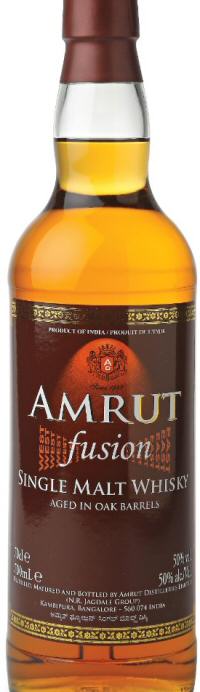
In case you are wondering about the young age, the hot and humid climate of India results in accelerated aging compared to cool climes (at least for many of the characteristics of wood aging). See my Amrut Fusion review for a discussion.
Diluted to 50% ABV, only 1000 bottles of Amrut Spectrum were produced from this single barrel. I managed to pick one of these up in my travels.
Here is how it compares to other Amruts in my Meta-Critic Whisky Database:
Amrut Bourbon Single Cask: 8.75 ± 0.33 on 12 reviews ($$$$)
Amrut Fusion: 8.90 ± 0.24 on 22 reviews ($$$$)
Amrut Greedy Angels: 9.29 ± 0.30 on 5 reviews ($$$$$+)
Amrut Intermediate Sherry: 8.93 ± 0.42 on 14 reviews ($$$$)
Amrut Kadhambam: 8.98 ± 0.25 on 11 reviews ($$$$)
Amrut Naarangi: 8.61 ± 0.38 on 7 reviews ($$$$$)
Amrut Portpipe Peated Single Cask: 8.80 ± 0.37 on 8 reviews ($$$$)
Amrut Portonova: 8.99 ± 0.30 on 16 reviews ($$$$)
Amrut PX Sherry Single Cask: 8.80 ± 0.51 on 7 reviews ($$$$)
Amrut Spectrum: 9.12 ± 0.18 on 7 reviews ($$$$$)
Amrut Two Continents: 8.80 ± 0.46 on 12 reviews ($$$$)
As you can see, Spectrum gets the second highest score for an Amrut whisky, second only to Greedy Angels.
Here is how it compares to some other single malts in flavour cluster C (i.e., complex whiskies that are not heavily winey or peaty):
Amrut Spectrum: 9.12 ± 0.18 on 7 reviews ($$$$$)
Balvenie 17yo Doublewood: 8.72 ± 0.25 on 11 reviews ($$$$$)
Bunnahabhain 18yo: 8.99 ± 0.16 on 14 reviews ($$$$$)
Dalmore Cigar Malt Reserve: 8.26 ± 0.66 on 11 reviews ($$$$$)
Glengoyne 18yo: 8.56 ± 0.41 on 11 reviews ($$$$$)
Glenlivet Nadurra 16yo: 8.86 ± 0.19 on 21 reviews ($$$$)
Glenmorangie Companta: 8.85 ± 0.57 on 12 reviews ($$$$$)
Highland Park 18yo: 9.12 ± 0.24 on 22 reviews ($$$$$)
Tomatin 18yo: 8.66 ± 0.22 on 9 reviews ($$$$)
Yamazaki 18yo: 9.16 ± 0.21 on 20 reviews ($$$$$)
Spectrum is holding pretty close to the Highland Park 18 yo and Yamazaki 18 yo, which are among the top whiskies in this class.
Let’s see what I found in the glass. To start, the colour is more rosewood than the typical mahogany of sherry cask-aged tropical whiskies.
Nose: Incredibly complex, and a study in contrasts – dry at times, yet also juicy, with a lot going on. On the fruit side, mainly plums, figs, raisins and oranges (plus a few mixed berries, including strawberry). Milk chocolate and cocoa powder. Earthy, with dry tobacco and fresh leather. Woody without being “oaky” – more like polished hardwood. Soft wood spice, coffee and bit of pepper. A faint hint of glue (but this is not objectionable).
Palate: Getting it all here. The sweet sherried fruitness of the nose kicks in first (plus some apple and pear now), but then quickly transitions to a more dry oaky mix. The oak definitely seems more prominent on the palate than the nose. Some sweet tropical fruits show up. Cinnamon sticks and nutmeg add to the spice and cocoa powder. Then on to moist earth and a bit of anise. Finally, and some mixed nuts – and that classic fortified wine rancio taste. What a ride! Thick and rich mouthfeel – luxurious, you just want to hold it in your mouth. No bitterness, but a slight sourness comes in at the end.
Finish: Long and lingering. A good mix of dried fruit and wood spice, with a bit of chocolate orange. More sourness than bitterness. Slightly drying. A touch of cola comes up at the end. Very nice.
 This is genuinely hard to describe – so much is going on here. The closest comparison I can think of is a blend of the various Kavalan Solist single casks – but the Spectrum isn’t as drying, and is a bit sweeter than most. I suppose you could also think of it as a cross between an aged single cask Glendronach and one of their cask-strength vattings (but less sherried overall).
In essence, what you are getting here is the quality of a top-pick single cask AND the wide variety of flavours that can come from multiple types of wood finishing or selected vatting. In my experience, vattings of multiple wood finishes tend to lose some distinctiveness. But the Spectrum keeps each of these individual components, in good measure. The flavours truly come in waves, making this a unique and quality experience.
But don’t take my word for it. Thomas of Whisky Saga and Serge of Whisky Fun are both very positive for this whisky. There are a couple of good reviews on Reddit, by Devoz and shane_il. A bit more tempered (but still very positive) are Jason of In Search of Elegance and Oliver of Dramming/PourMeAnotherOne. Hopefully Amrut repeats this experiment so that more can try a bottle.

 Consistent with its reported 6-7 years, this is not a particularly complex bourbon. You are not getting a lot of oak here (beyond the usual caramel/vanilla), nor are you getting much in the way of the typical rye baking spices (as expected).
 Finish: Short to medium. Some lingering sweetness, like slightly flat ginger ale. A bit citrusy. No bitterness or off-putting after-tastes, crisp and clean.
 Finish: Medium. I suppose you could describe it as gently warming. Slightly sweet up front, dries to a more astringent effect.
 Finish: Medium length. It actually lasts longer than I would have expected, given the youthful grain alcohol sensation in the mouth. The fruity character disappears quickly, and you are left mainly with the oak-driven caramels and vanilla. A touch peppery too, which I like.
 This whisky tastes like I would expect – a slightly watered-down version of the
 Finish: Fairly long. Lingering orange and berry sweetness, plus some artificial sweetness (banana candies?). Otherwise, lots of extinguished smoke on the way out, which makes for a nice finish.
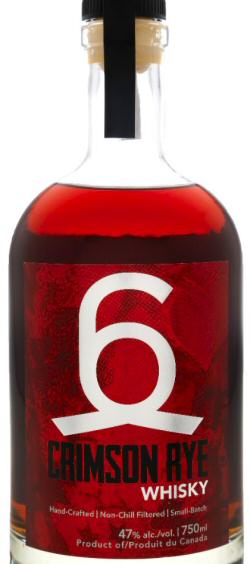 66 Gilead Crimson Oak
 66 Gilead Wild Oak
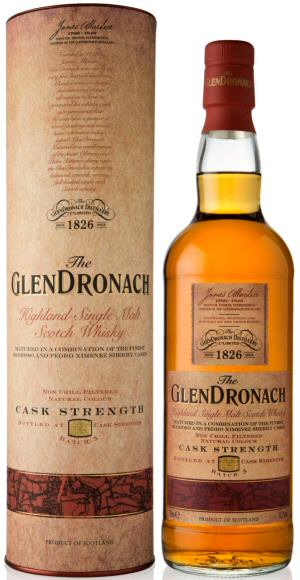 Ranking these two whiskies is difficult. On initial tasting, I was inclined to give Batch 5 a higher score – but that was mainly because the sweeter Batch 4 wasn’t quite what I was expecting. On re-tasting the next day, I’ve revised my opinion, and would give Batch 4 a very slight edge. It is interesting that the current Meta-Critic has the same average score for the two of them.
 Finish: Medium long, with a return of some of the lighter fruits (pear, and those tropical notes). Juicy fruit gum. The smoke lingers, with a tingle in the back of your throat. Feels like an antiseptic – something they would have made you gargle with in a previous age.