Tag Archives: Single Malt

Holiday Whisky Gift Guide 2016 – Ontario, Canada

Welcome to my new recommendation list for 2016!

As with last year, I am breaking this up by price point, style and flavour cluster.  I will again focus on highly-ranked but relatively affordable bottles – and ones currently in stock at the LCBO. I am also going to focus on whiskies that are not necessarily available all year round – some of these only show up for a limited time around the holidays, so grab them while you can. Links to full reviews given, when available.

Hopefully this list is also relevant to those outside of Ontario, as it is based on high-ranking whiskies. As always, the Meta-Critic Whisky Database is here to help you sort through whatever possible options are open to you.

Budget Gifts < $50 CAD – American Bourbon and Canadian Rye Whiskies

You won’t find single malts in this price range (although there are some very nice Scotch-style and Irish blends, profiled below).  But let’s consider the economical American bourbon and Canadian whiskies options here first.

While Ontario is not a good place to find higher-end American bourbons, we actually do have very decent prices on what we do get in. And we have at least a reasonable selection of the more entry-level and lower mid-range stuff.

Eagle.Rare.10It’s worth breaking bourbons down into different mashbill classes. The first is low-rye bourbons (i.e., a relatively low proportion of rye grain in the predominantly corn-based mashbill). Unfortunately, one of my favourites in this class – Eagle Rare 10 Year Old – is not currently available (although you might still find a few bottles at the some of the larger LCBO stores). So the closest thing is the more widely available Buffalo Trace at $43 CAD, getting a decent 8.56 ± 0.42 on 19 reviews. This is basically the same juice, though not quite the full 10 years of age.
Elijah.Craig.12A great choice that Ontario still carries is the Elijah Craig 12 Year Old at $48 (8.68 ± 0.29 on 20 reviews). This has been replaced by a younger no-age-statement “small batch” version in U.S. Note the 12yo version has a fairly pronounced “oaky” character.

Rated even higher is Knob Creek Single Barrel Reserve ($57, 8.79 ± 0.27 on 10 reviews) – a popular cask-strength (60%) option.

For high-rye bourbons (which typically are more “spicy” tasting), you can’t go wrong with Four Roses Single Barrel at $46 CAD (8.72 ± 0.34 on 18 reviews).  It’s worth the premium over the otherwise decent Four Roses Small Batch at $40 CAD (8.49 ± 0.44 on 19 reviews).  Unfortunately, most of the other high-ryes I would recommend are currently out of stock (and unlikely to come back this year).

But why not try a quality Canadian choice? These are typically widely available all year round.

Lot 40 canadian rye whisky bottleSure, you could go for Jim Murray’s “World Whisky of the Year” for 2015 – Crown Royal Northern Harvest Rye – for $35 CAD. It gets a decent Meta-Critic score of 8.59 ± 0.42 on 13 reviews. But like many, I consider it to be only an “average” Canadian rye.Albera Premium Dark Horse bottle
As with last year, my top pick as the king of Canadian straight rye whisky is Corby’s Lot 40. Getting an excellent 8.90 ± 0.41 on 18 reviews, it is quite affordable at $40 CAD. One of the best aromas you will find in the rye selection at the LCBO.

Wiser’s Legacy is another solid choice, with an even higher 9.01 ± 0.35 on 15 reviews. Regularly-priced at $50 CAD, it has a spicy rye flavour (and is said to consist of Lot 40 in part).

As always, Alberta Premium Dark Horse at $32 CAD is a great buy – if you like a little sherry flavour in your rye. 8.62 ± 0.34 on 15 reviews.


Budget Gifts < $60 CAD – Scotch and Irish Blends

I don’t typically break down Scotch-style blends by flavour profile (as I do for for the more complex single malts below). But you can generally think of blends in two categories: those with some smokey/peaty flavours and those without.

Te.BheagFor those who like a bit of smoke, Johnnie Walker Black at $57 (8.27 ± 0.49 on 21 reviews) remains a staple – and for good reason.  It is higher ranked than most of the other smokey blends – but it is also priced higher.  So if you want try something a little different on a budget, the LCBO also carries the higher-ranked but lower-priced Té Bheag for only $39 (8.47 ± 0.31 on 14 reviews). Pronounced chey-vek, this whisky has a more fruity character than JW Black, and even more smoke (if you think the recipient would like that).  Another great choice is Great King St Glasgow Blend for $57 (8.57 ± 0.25 on 11 reviews) – one of the highest-ranked smokey blends I’ve seen.

writers-tearsFor non-smokey blends, these are often imbibed as mixed drinks, or the classic scotch-and-soda. There are a lot very good blends out that you may not have heard of – unfortunately, the LCBO is not carrying many at the moment. For example, they are currently out of stock of Great King St Artist’s Blend for $55 (8.58 ± 0.38 on 18 reviews), which would have been a top pick. So why not try a great Irish blend instead: Writer’s Tears for $50 (8.47 ± 0.37 on 14 reviews). Unusual for an Irish whiskey, this is a blend of single malt whisky and classic Irish pot still whisky (which is a mix of malted and unmalted barley in a single copper pot still).  Very flavourful, and a good value.suntory-toki
A personal favourite of mine in this group is Suntory Toki at $60 CAD (8.24 ± 0.63 on 5 reviews). I feel the quality here is higher than the Meta-Critic score indicates (which is based on only a limited number of reviews so far). It is delightfully fresh and clean, easy to sip neat, and is highly recommended in the classic Japanese “highball” (scotch-and-soda for the rest of us ;).  Here is a chance for you to experience an authentic Japanese whisky, without the usual high cost. It’s a great introduction to the lighter Japanese style.

There is a lot more to consider here – especially for those on a tighter budget – so I suggest you explore the Whisky Database in more detail.


Premium Gifts up ~$100 CAD – Single Malt Scotch and Hibiki Harmony NASInternational Whiskies

Single malts come in a wide range of flavours – much more so than any other class of whisky. As usual, it is worth recommending single malt whiskies by flavour “super-cluster”, as described on my Flavour Map page. I’m going to start with the more delicate examples below, followed by the more “winey” and “smokey” examples.

BTW, If you are interested in checking out another Japaenese whisky, consider the Hibiki Harmony at $100 (8.40 ± 0.61 on 14 reviews). It comes in a fancy decanter-style bottle, and has a richer yet still delicate flavour profile. Again, I think the Meta-Critic Score is unfairly harsh here – this is a lovely blend, and is a more flavourful expression than the Suntory Toki described previously.

Now onto the single malts …

Super-cluster G-H : Light and sweet, apéritif-style – with honey, floral, fruity and malty notes, sometimes spicy, but rarely smokey.
Classic examples: Glenmorangie 10yo, Glenfiddich 12yo, Arran Malt 10yo/14yo, Cardhu 12yo
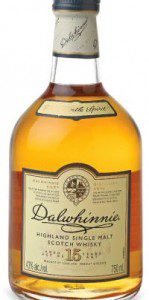
Dalwhinnie 15yo bottleAt $95 CAD, the Dalwhinnie 15 Year Old is my top pick in this category (8.68 ± 0.35 on 18 reviews). That is a phenomenal score for this flavour supercluster (i.e., delicate whiskies always score lower than winey/smokey ones). The Dalwhinnnie is a fairly delicate whisky, but there is a surprising amount of subtlety here. It has a lovely honey sweetness to it (but is not too sweet), and has just the slightest hint of smoke in the background. Well worth a try – a staple of my liquor cabinet.

Backup choices you may want to consider are The Arran Malt 10 Year Old at $70 CAD (8.55 ± 0.33 on 20 reviews), and the An Cnoc 12 Year Old at $80 CAD (8.62 ± 0.35 on 17 reviews). The Dalwhinnie is worth the slight extra though, in my opinion.


Super-cluster E-F : Medium-bodied, medium sweet – with fruity, honey, malty and winey notes, with some smoky and spicy notes on occasion
Classic examples: Old Pulteney 12yo, Auchentoshan 12yo, Glenlivet 12yo, Macallan 10yo Fine Oak

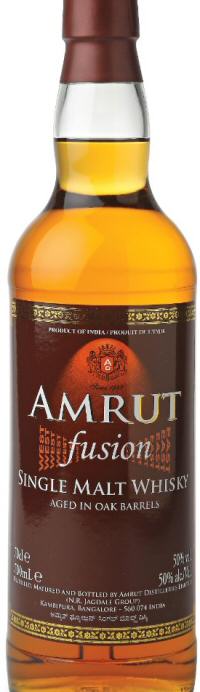
Amrut.FusionIt is actually on border of Super-cluster E-F and cluster I (due to the moderate smoke), but my top pick here is Amrut Fusion, from India. At only $86 CAD, and scoring an amazing 8.90 ± 0.24 on 22 reviews, this is certainly an excellent choice. It’s also an opportunity for those looking to explore some extra “tropical” fruit flavours in their whisky – check out my full review above for more info on this whisky. Note that this one is very popular, and so stock levels are already starting to drop across the LCBO.

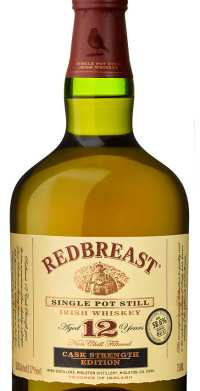
OtMiddleton Redbreast 12yo bottleherwise, my top mid-range choice in this category is an Irish whiskey, the $80 CAD Redbreast 12 Year Old. Redbreast is a single pot still whiskey. As mentioned earlier, this is a traditional Irish style, where both unmalted and malted barley are distilled together in single copper pot still. The end result is thus closer to a Scottish single malt than a blend. It gets a very good 8.75 ± 0.42 on 21 reviews.
If you are looking for a budget option in this class, check out the Auchentoshan 12 Year Old. At $65 CAD and scoring 8.27 ± 0.26 on 21 reviews, this is a step up from your typical ubiquitous Glenfiddich/Glenlivet 12yo.


Super-cluster A-B-C : Strong winey flavours, full-bodied, very sweet, pronounced sherry – with fruity, floral, nutty, honey and spicy notes, as well as malty and sometimes smokey notes
Classic examples: Aberlour A’Bunadh, Highland Park 18, Glenfarclas 105, GlenDronach 12yo, Auchentoshan Three WoodAberlour.ABunadh.49

My top pick here remains the Aberlour A’Bunadh. I don’t understand how this has remained at $100 CAD, given the quality of the various batches.  It gets an impressive 8.95 ± 0.17 on 22 reviews overall. While there is some variability between batches, this is not usually significant. Note however that this is a cask-strength whisky, so it packs a higher concentration of alcohol than typical. And inventory tends to disappear fast around this time of year – it’s a popular one.

My budget choice, at $73 CAD, remains the GlenDronach 12 Year Old. It gets a very respectable 8.57 ± 0.22 on 20 reviews. It packs a lot of flavour.

Now, let’s dial back down the winey flavours, and instead bring up the smokey complexity.


Cluster I : Medium-bodied, medium-sweet, smoky – with some medicinal notes and spicy, fruity and nutty notes
Classic examples: Talisker 10yo, Highland Park 12yo, Benromach 10yo, Springbank 10yo, Bowmore 10yo
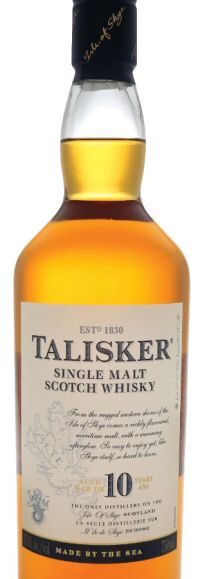
Talisker 10yo bottleIn addition to the Amrut Fusion already mentioned above, you would do well to stick with a classic member of this class: the Talisker 10 Year Old. At $100, it gets an excellent 8.91 ± 0.17 on 21 reviews. I don’t think you can go wrong with this choice. Also very nice, but with low availability is Longrow Peated ($101, scoring 8.79 ± 0.27 on 13 reviews). It is right on the border with the smokier Cluster J, though.

Highland Park 12 year oldA reasonable budget choice – especially if you like a little sherry in your smoky malt – is the Highland Park 10 Year Old ($65, 8.47 ± 0.28 on 14 reviews) or 12 Year Old ($80, 8.38 ± 0.36 on 12 reviews). Unfortunately, quality seems to have dropped in recent batches of the 12yo, otherwise this one would have been a a top pick (i.e., it used to score higher).


Cluster J : Full-bodied, dry, very smoky, pungent – with medicinal notes and some spicy, malty and fruity notes possible
Classic examples: Lagavulin 16yo, Laphroaig 10yo and Quarter Cask, Ardbeg 10y and Uigeadail

Laphroaig Quarter Cask whisky bottleFor the smoke/peat fan, you really can’t top the value proposition of the Laphroaig Quarter Cask – only $73 CAD, yet garnering a very high meta-critic score of 9.02 ± 0.27 on 21 reviews. That’s a remarkable score for the price, if you are into these peat bombs.

Surprisingly, it’s even cheaper than the standard Laphroaig 10 Year Old expression ($84 CAD, 8.92 ± 0.29 on 14 reviews). The Ardbeg 10 Year Old is another consideration for an entry-level expression ($100 CAD, 8.95 ± 0.34 on 21 reviews). If you like a wine-finish, for a very limited time you can order a bottle of this year’s Laphroaig Cairdeas for $100 (2016 Madeira edition, 8.82 ± 0.48 on 8 reviews) through LCBO online.

Of course, there is a lot more to consider if you are willing to go a bit higher. Stretching the budget a bit to $123 CAD, a very popular favourite is the Lagavulin 16 Year Old. It gets an incredible meta-critic score of 9.23 ± 0.23 on 25 reviews. Full of a wide array of rich flavours, I find it a lot more interesting than the younger peat-bombs above. Just be prepared to smell like a talking ash-tray for the rest of the evening!


Again, whatever you choose to get, I strongly suggest you use the Whisky Database to see how it compares to other options in its respective flavour class or style.

Slainte, and happy holidays!

Amrut Spectrum

Amrut Spectrum is a unique whisky science experiment.

Whisky is aged in wood containers (typically called barrels, casks, or butts), usually made from some type of oak. As I explain in my Source of Whisky Flavour, the complex interaction with wood over time imparts a lot of the main characteristics to the final product.

But there is more than just time involved. The barrels can be made of different types of oak, which affects the final flavour. And they may be virgin wood (with the internal surface potentially charred to varying levels), or used barrels having previously contained other spirits (e.g. various types of fortified wine, other whiskies, etc.). The whisky can be transferred from one type of cask into another during aging, to introduce additional flavours (referred to as “finishing”). In the end, it can be bottled from a single cask – but more commonly, it is from a vatting of multiple casks (often including different cask styles).

Amrut Spectrum is something unique – a true single cask, yet reflecting multiple sources of wood. The base spirit spent 3 years in traditional ex-Bourbon oak barrels before being transferred into a single custom barrel for another 3.5 years.  This unique custom barrel was built using the staves of 5 different kinds of barrels: new American Oak with moderate charring, new French Oak with light toasting, new Spanish Oak with light toasting, ex-Oloroso Sherry staves, and ex-Pedro Ximenez (PX) Sherry staves.

In case you are wondering about the young age, the hot and humid climate of India results in accelerated aging compared to cool climes (at least for many of the characteristics of wood aging). See my Amrut Fusion review for a discussion.

Diluted to 50% ABV, only 1000 bottles of Amrut Spectrum were produced from this single barrel. I managed to pick one of these up in my travels.

Here is how it compares to other Amruts in my Meta-Critic Whisky Database:

Amrut Bourbon Single Cask: 8.75 ± 0.33 on 12 reviews ($$$$)
Amrut Fusion: 8.90 ± 0.24 on 22 reviews ($$$$)
Amrut Greedy Angels: 9.29 ± 0.30 on 5 reviews ($$$$$+)
Amrut Intermediate Sherry: 8.93 ± 0.42 on 14 reviews ($$$$)
Amrut Kadhambam: 8.98 ± 0.25 on 11 reviews ($$$$)
Amrut Naarangi: 8.61 ± 0.38 on 7 reviews ($$$$$)
Amrut Portpipe Peated Single Cask: 8.80 ± 0.37 on 8 reviews ($$$$)
Amrut Portonova: 8.99 ± 0.30 on 16 reviews ($$$$)
Amrut PX Sherry Single Cask: 8.80 ± 0.51 on 7 reviews ($$$$)
Amrut Spectrum: 9.12 ± 0.18 on 7 reviews ($$$$$)
Amrut Two Continents: 8.80 ± 0.46 on 12 reviews ($$$$)

As you can see, Spectrum gets the second highest score for an Amrut whisky, second only to Greedy Angels.

Here is how it compares to some other single malts in flavour cluster C (i.e., complex whiskies that are not heavily winey or peaty):

Amrut Spectrum: 9.12 ± 0.18 on 7 reviews ($$$$$)
Balvenie 17yo Doublewood: 8.72 ± 0.25 on 11 reviews ($$$$$)
Bunnahabhain 18yo: 8.99 ± 0.16 on 14 reviews ($$$$$)
Dalmore Cigar Malt Reserve: 8.26 ± 0.66 on 11 reviews ($$$$$)
Glengoyne 18yo: 8.56 ± 0.41 on 11 reviews ($$$$$)
Glenlivet Nadurra 16yo: 8.86 ± 0.19 on 21 reviews ($$$$)
Glenmorangie Companta: 8.85 ± 0.57 on 12 reviews ($$$$$)
Highland Park 18yo: 9.12 ± 0.24 on 22 reviews ($$$$$)
Tomatin 18yo: 8.66 ± 0.22 on 9 reviews ($$$$)
Yamazaki 18yo: 9.16 ± 0.21 on 20 reviews ($$$$$)

Spectrum is holding pretty close to the Highland Park 18 yo and Yamazaki 18 yo, which are among the top whiskies in this class.

Let’s see what I found in the glass. To start, the colour is more rosewood than the typical mahogany of sherry cask-aged tropical whiskies.

Nose: Incredibly complex, and a study in contrasts – dry at times, yet also juicy, with a lot going on. On the fruit side, mainly plums, figs, raisins and oranges (plus a few mixed berries, including strawberry). Milk chocolate and cocoa powder. Earthy, with dry tobacco and fresh leather. Woody without being “oaky” – more like polished hardwood. Soft wood spice, coffee and bit of pepper. A faint hint of glue (but this is not objectionable).

Palate: Getting it all here. The sweet sherried fruitness of the nose kicks in first (plus some apple and pear now), but then quickly transitions to a more dry oaky mix. The oak definitely seems more prominent on the palate than the nose. Some sweet tropical fruits show up. Cinnamon sticks and nutmeg add to the spice and cocoa powder. Then on to moist earth and a bit of anise. Finally, and some mixed nuts – and that classic fortified wine rancio taste. What a ride! Thick and rich mouthfeel – luxurious, you just want to hold it in your mouth. No bitterness, but a slight sourness comes in at the end.

Finish: Long and lingering.  A good mix of dried fruit and wood spice, with a bit of chocolate orange. More sourness than bitterness. Slightly drying. A touch of cola comes up at the end. Very nice.

amrut-spectrumThis is genuinely hard to describe – so much is going on here. The closest comparison I can think of is a blend of the various Kavalan Solist single casks – but the Spectrum isn’t as drying, and is a bit sweeter than most. I suppose you could also think of it as a cross between an aged single cask Glendronach and one of their cask-strength vattings (but less sherried overall).

In essence, what you are getting here is the quality of a top-pick single cask AND the wide variety of flavours that can come from multiple types of wood finishing or selected vatting. In my experience, vattings of multiple wood finishes tend to lose some distinctiveness. But the Spectrum keeps each of these individual components, in good measure. The flavours truly come in waves, making this a unique and quality experience.

But don’t take my word for it. Thomas of Whisky Saga and Serge of Whisky Fun are both very positive for this whisky.  There are a couple of good reviews on Reddit, by Devoz and shane_il.  A bit more tempered (but still very positive) are Jason of In Search of Elegance and Oliver of Dramming/PourMeAnotherOne. Hopefully Amrut repeats this experiment so that more can try a bottle.


Amrut Intermediate Sherry

Amrut Intermediate Sherry is not particularly well-known – which is a shame, given the quality of this distinctive single malt.

Amrut Distilleries is the first Indian single malt whisky-maker.  A number of their recent expressions have won major International awards. As a result – and like Japan and Taiwan before them – they have now become quite popular with Scotch malt whisky aficionados.

I have previously reviewed one of their more entry level malts, the lightly-peated Amrut Fusion. Please see that review for more background information on Amrut, and on the challenges of maturing whisky in a hot and humid environment.

For Amrut Intermediate Sherry, the distilled spirit starts off in a mix of ex-bourbon and virgin oak casks. It then gets transferred into sherry casks before going back into bourbon casks to complete its final maturation (hence the “intermediate sherry” name). Note that while there is not a lot of information about this distinctive process online, the product label inside my box specifically states that the whisky is transferred into “Spanish ex-Oloroso sherry butts” for one year. I will come back to this point later at the end of my review.

Amrut Intermediate Sherry is bottled at cask-strength, 57.1% ABV in this case. It is obviously not chill-filtered, and I believe no artificial colouring is used. My bottle is from batch 20 (2015).

Here is how it compares to other similar cask-strength single malts in my Meta-Critic Database:

Amrut Fusion: 8.90 ± 0.24 on 22 reviews ($$$$)
Amrut Kadhambam: 8.98 ± 0.25 on 11 reviews ($$$$)
Amrut Intermediate Sherry: 8.93 ± 0.42 on 14 reviews ($$$$)
Amrut Portonova: 8.99 ± 0.30 on 16 reviews ($$$$)
Amrut PX Sherry Single Cask: 8.80 ± 0.51 on 7 reviews ($$$$)
BenRiach Cask Strength: 8.85 ± 0.11 on 4 reviews ($$$$)
GlenDronach Cask Strength (batch 4): 8.91 ± 0.31 on 9 reviews ($$$$)
GlenDronach Cask Strength (batch 5): 8.87 ± 0.11 on 6 reviews ($$$$)
Glengoyne Cask Strength (all batches): 8.59 ± 0.55 on 9 reviews ($$$$)
Kavalan Solist Fino Sherry Cask: 9.02 ± 0.32 on 10 reviews ($$$$$+)
Kavalan Solist Sherry Cask: 9.14 ± 0.35 on 14 reviews ($$$$$)
Kavalan Solist Vinho Barrique: 8.97 ± 0.34 on 13 reviews ($$$$$)
Macallan Cask Strength: 8.89 ± 0.40 on 12 reviews ($$$$$+)
Yamazaki Sherry Cask (all vintages): 9.07 ± 0.30 on 11 reviews ($$$$$+)

Here is what I find in the glass:

Color: Rich golden/orangey brown. You can see the effect of ex-bourbon and sherry cask aging.

Nose: Rich nose, bringing in both moist earth and dried tobacco. Very sweet, with heavy raisin and grape overtones, along with blueberries and tropical fruits like banana and kiwis. Chocolate fudge and vanilla cake. This is not your typical Oloroso sherry-finished single malt. Surprisingly, not much ethanol singe despite the high ABV.

Palate: The berry notes from the nose are accentuated, with blackberry and red currants joining the strong blueberry presence. I get a definite impression of blueberry-banana pancakes with maple syrup! Surprising kick of rye spices, particularly cinnamon and all-spice, plus a bit of anise (black licorice) and pepper. Very spicy overall – I’m guessing most of this must be coming from the oak casks. Creamy mouthfeel, but with a drying effect over time. This moist earth/syrupy/astringent combo reminds me of some of the Kavalan fortified wine-finished casks. Water brings up the sweeter port-like grape flavours.

Finish:  Medium long. Sweet wood notes, like hickory (but not as smokey). Lingering fruit, like left-over blueberry pie crust. There is a drying astringency, and a bit of bitterness creeps in over time (but it is not excessive, and water helps here too). A touch of that classic nutty rancio aroma from fortified wines shines through.

amrut-intermediate-sherryThe blueberry experience is really wild here – I can’t say I’ve ever come across this much of it before. But this is definitely not your typical dry Oloroso sherry-finished expression.  Indeed, I’d say it tastes more like a mix of various fortified wines – including both sherry and port – went into finishing this one.

Trusting my taste buds, I decided to look into its background a little further. I eventually found this Business Standard article where the Amrut VP of production specified that they used “400-litre sherry ‘butts’ imported from Spain and Portugal” (emphasis mine).  If this quote is accurate, it would suggest that they mean “sherry” in only a very loose sense – and are in fact incorporating some port casks in the intermediate step.  That would certainly help to explain the classic Portuguese port-like flavours that I am getting here, along with the classic Oloroso sherry and ex-bourbon cask finishing.

Personally, I slightly prefer the Amrut Intermediate Sherry over the Amrut Portonova – which is a classic cask-strength, pure port-finished single malt (and one that I plan to review soon). The Intermediate Sherry probably handles water a bit better as well – it helps bring out some additional flavours, without taking anything away.

For other reviews, Serge of Whisky Fun and Jim Murray both really loved this one (how often does that happen?), as did Thomas of Whisky Saga. Ruben of Whisky Notes, John of Whisky Advocate and Nathan the ScotchNoob both gave moderately positive reviews. The boys of Quebec Whisky were very variable on this one, with Patrick giving it quite a low score.


Glengoyne Cask Strength – Batch 4

Glengoyne is a Scottish distillery that straddles the traditional border between Highland and Lowland regions. Technically, I believe their stills are located north of the imaginary line, and their maturing facilities are to the south. They don’t use any peat for drying their barley, and are thus probably closer stylistically to the typical lowland producers.

They are also known for their reliance on sherry casks for maturation.  That is not to say all their expressions are “sherry bombs”, but you can typically detect a consistent sherry flavour motif running across their lines.

They used to produce a 12 year old cask strength single malt, but this was replaced a few years ago with a no-age-statement version, prepared in defined batches. As with the GlenDronach Cask Strength Batch 4/5 recently reviewed, you can expect some variability from batch to batch. For this review, I have a sample from a recently acquired batch 4 bottle – brought back from the distillery by a colleague of mine.

Glengoyne reports that the composition of this whisky is 20% first-fill European oak sherry casks, 10% first-fill American oak sherry casks, and 70% oak refill casks. It is not chill-filtered, no colouring is added, and is bottled at cask strength (58.8% ABV in the case of batch 4).

Here is how it compares to other Glengoynes, and similar cask-strength whiskies in the Meta-Critic Database:

Glengoyne Cask Strength (batch 1): 8.74 ± 0.47 on 4 reviews ($$$$)
Glengoyne Cask Strength (batch 2): 8.69 ± 0.40 on 3 reviews ($$$$)
Glengoyne Cask Strength (batch 3): 8.49 ± 0.81 on 5 reviews ($$$$)
Glengoyne Cask Strength (batch 4): 8.58 ± 0.15 on 4 reviews ($$$$)
Glengoyne Cask Strength (all batches): 8.61 ± 0.48 on 11 reviews ($$$$)
Glengoyne 10yo: 8.22 ± 0.34 on 12 reviews ($$$)
Glengoyne 12yo Cask Strength: 8.57 ± 0.40 on 10 reviews ($$$$)
Glengoyne 12yo: 8.50 ± 0.40 on 10 reviews ($$$)
Glengoyne 15yo: 8.47 ± 0.54 on 9 reviews ($$$$)
Glengoyne 17yo: 8.44 ± 0.21 on 11 reviews ($$$$$)

Amrut Intermediate Sherry: 8.99 ± 0.31 on 13 reviews ($$$$)
BenRiach Cask Strength: 8.85 ± 0.11 on 4 reviews ($$$$)
Benromach 10yo Cask Strength (100 proof): 9.09 ± 0.12 on 6 reviews ($$$$)
GlenDronach Cask Strength (batch 1): 9.06 ± 0.28 on 6 reviews ($$$$)
GlenDronach Cask Strength (batch 2): 9.05 ± 0.09 on 6 reviews ($$$$)
GlenDronach Cask Strength (batch 3): 9.02 ± 0.36 on 4 reviews ($$$$)
GlenDronach Cask Strength (batch 4): 8.91 ± 0.31 on 9 reviews ($$$$)
GlenDronach Cask Strength (batch 5): 8.87 ± 0.10 on 6 reviews ($$$$)
Kavalan Solist Sherry Cask: 9.14 ± 0.35 on 14 reviews ($$$$$)
Macallan Cask Strength: 8.89 ± 0.40 on 12 reviews ($$$$$+)
Redbreast 12yo Cask Strength: 9.02 ± 0.32 on 14 reviews ($$$$)

There is an unusually high variance in scores across most batches of the Glengoyne Cask Strength. The number of reviews are low across batches, but it seems like there are higher differences of opinion than usual. There also seems to be a trend toward lower scores over subsequent batches, but that is hard to tell for certain – the numbers are low, and I have few examples of repeated batch testing by individual reviewers.

Here is what I find in the glass, for batch 4:

Nose: Intense dark brown sugar, almost Demerara level.  Maple sugar too – so sweet, I can imagine the crunchy sugar crystals. A bit of cream thrown in. Mixed berry compote, with a pastry note (berry crumble). Figs and raisins, but not very pronounced. Oat cakes. A bit of alcohol singe (which water oddly doesn’t help). A nose for baked fruit lovers!

Palate: More fruit shows up now – apple, pear, and peaches – none of which I detected on the nose. And even more raisins and sultanas, very ripe and juicy. Cinnamon toast. Peppery kick. Rich mouthfeel, somewhat buttery. You can feel the higher ABV, but it doesn’t need much water to tame it – I recommend just a few drops.

glengoyne-caskstrengthFinish:  Medium long. The buttery oak flavours linger a good while, along with cinnamon and a stronger white pepper presence. Pancake syrup sweetness initially, but bitterness comes in over time, and builds over sips, which detracts for me personally.
A real dessert dram, with all its sweet fruit, brown sugar, and baked-goods notes. As an aside, I checked the producer’s tasting notes after finishing my own above, and was pleasantly surprised to find such a close concurrence. Didn’t notice any banana initially, but I can kind of see that too.

I initially thought I would rank this one higher than some of the equivalent age-statement Glengoynes, as the Cask Strength benefits from the higher ABV. But I don’t like the lingering bitterness in the finish, which increasingly detracts for me as I sip it. In the end, I think the Meta-Critic average score for batch 4 (and all batches overall) is fair.

But I can see why reviews of this whisky would be so variable – while some might like the punch it packs, it is likely going to be too sweet for others. Nathan the Scotch Noob has just posted a review of batch 4. Although of the previous batch 3, André and Patrick of Quebec Whisky neatly encapsulate the widely differing opinions of this whisky. Otherwise, Serge of Whisky Fun was very enthusiastic for batch 1, and only slightly less so for batch 2. Thomas of Whisky Saga gives a typical score for batch 2. Redditor xile_ gives a low-normal score for batch 4.


Gouden Carolus – Belgian Single Malt

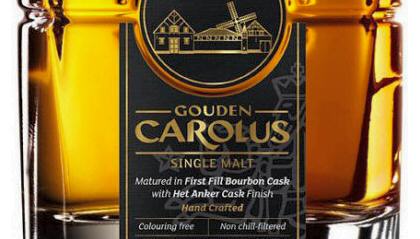
On a recent trip to Belgium, I had the opportunity to sample an unusual offering – a new single malt whisky from a respected local beer producer: the Gouden Carolus single malt.

Gouden Carolus is a beer brand made by the Het Anker brewery in Mechelen, Belgium.  The Gouden Carolus Classic is actually one my favourite Belgian “brown” beers, although this new single malt whisky is distilled from the mash of Gouden Carolus Tripel, a pale malt beer. Belgian tripel beers use three times the typical amount of malt, combined with high fermentation (so they pack quite a kick).

The pure Tripel beer mash (without the hops and extra aromatics) is distilled in copper pot stills at the brewery. It is initially matured in ex-bourbon barrels, with some further finishing in custom-made Het Anker casks. There is no age statement for the final whisky, but it is believed to be 3 years old. Refreshingly, it is not chill-filtered, no colouring is added, and it is bottled at a respectable 46% ABV.

There are not a lot of reviews for this whisky, as it is not commonly available outside of Belgium (yet). The 500mL bottle retails for 40, or $60 CAD, in local shops.

Here is how it compares in my database to some other young malt whiskies from outside of Scotland:

Amrut Single Malt (India): 8.37 ± 0.47 on 13 reviews ($$$)
Balcones Texas Single Malt (USA): 8.72 ± 0.24 on 10 reviews ($$$$)
FEW Single Malt (USA): 8.45 ± 0.51 on 6 reviews ($$$$)
Gouden Carolus (Belgium): 8.00 ± 0.21 on 3 reviews ($$$$)
Glen Breton Rare 10yo (Canada): 8.05 ± 0.42 on 13 reviews ($$$$)
Kavalan Single Malt (Taiwan): 8.41 ± 0.52 on 16 reviews ($$$$)
Kilbeggan Irish Reserve Malt (Ireland): 7.97 ± 0.52 on 6 reviews ($$)
Mackmyra The First Edition (Sweden): 8.66 ± 0.38 on 16 reviews ($$$)
Millstone 8yo French Oak (Netherlands): 7.89 ± 0.72 on 4 reviews ($$$$)
Penderyn Legend (Wales): 7.46 ± 0.93 on 4 reviews ($$$)
Penderyn Aur Cymru (Wales): 7.69 ± 0.61 on 8 reviews ($$$$)
St George’s Chapter 6 (England): 8.23 ± 0.48 on 10 reviews ($$$)
Teeling Single Malt (Ireland): 8.46 ± 0.36 on 6 reviews ($$$$)
Tyrconnell Single Malt (Ireland): 8.13 ± 0.42 on 13 reviews ($$)

I was lucky enough to get a generous free sample of this single malt at The Bottle Shop liquor store in Bruges, on street just off of the Grote Markt. Here is what I found in the glass:

Colour:  “Gouden” apparently means golden in Dutch, and I can believe it. Hard to believe no colourant was added, as this is exactly the shade most distillers try to make their whisky.

Nose: Incredibly fruity nose, but heavily candied (i.e., fruit gummies). Really took me by surprise, and brought me back to my childhood. Otherwise, cherries, peaches, and a touch of green apple – there is a slight sourness that balances out the candied sweetness. Malty, with Scottish oat cakes and Arrowroot biscuits. Vanilla and some anise (black licorice). A touch of acetone and definite ethanol burn (consistent with the young age), but not as bad as I was expecting for a 3 yo. Pleasantly surprised.

Palate: The same fruity candy and malty biscuits notes as the nose, without much else coming through I’m afraid. Maybe a bit of caramel now, to complement the vanilla.  Otherwise, seems rather thin – and very grain alcohol hot.  The young age is really showing through here, with typical roughness. Water may help, but I didn’t have any to add.

goudencarolusFinish: Medium length. It actually lasts longer than I would have expected, given the youthful grain alcohol sensation in the mouth. The fruity character disappears quickly, and you are left mainly with the oak-driven caramels and vanilla. A touch peppery too, which I like.

This one really impressed me on the nose, but then turned into the expected youthful disappointment in the mouth.  Still, very respectful quality for the young age.  If Het Anker can give this a few more years in quality barrels, they are likely to have a nice sipper on their hands.

Although based on few reviews, I think the current Meta-Critic score is fair.  For some online reviews of this whisky, I recommend you check out Ruben of Whisky Notes, Jonny of Whisky Advocate, and Joel and Annibel of Whisky Magazine.


BenRiach 15 Year Old Tawny Port

BenRiach has recently announced a new 21 year old Tawny Port expression, apparently to replace the current 15 yo Tawny port-finished single malt in their core line-up.  As such, I figured it was about time I write up my review of this one, before it disappears off the shelves for good.

Port is a Portugeuse fortified wine, and comes in sweet, dry and semi-dry forms. I’ve even had white port, which is distinctive. I am typically a fan of port finishes for malt whisky, as I find it adds slightly sweet grape notes to the basic malt profile. Tawny port in particular is typically sweet (or medium dry), and often somewhat “nutty”.

As I mentioned in my 12 Year Old Matured in Sherry Wood review, BenRiach typically has a fairly gentle base spirit. This makes it well suited to fortified wine barrel finishing, in my view.  Here are how some of the typical BenRiach expressions compare:

BenRiach 12yo: 8.42 ± 0.26 on 13 reviews ($$$)
BenRiach 12yo Matured in Sherry Wood: 8.69 ± 0.21 on 11 reviews ($$$)
BenRiach 15yo Sauternes Finish: 8.11 ± 0.53 on 3 reviews ($$$$)
BenRiach 15yo Tawny Port Finish: 8.51 ± 0.21 on 11 reviews ($$$$)
BenRiach 17yo Septendecim Peated: 8.51 ± 0.57 on 17 reviews ($$$$)
BenRiach 17yo Solstice Peated Port: 8.90 ± 0.29 on 10 reviews ($$$$)

And now some other port-finished whiskies:

Amrut Portonova: 8.98 ± 0.30 on 16 reviews ($$$$)
Amrut Portpipe Peated Single Cask: 8.80 ± 0.37 on 8 reviews ($$$$)
Arran Malt Port Cask Finish: 8.59 ± 0.40 on 11 reviews ($$$)
Balvenie 21yo Port Wood: 8.74 ± 0.40 on 13 reviews ($$$$$)
GlenDronach 18yo Tawny Port Finish: 8.54 ± 0.39 on 4 reviews ($$$$$)
Kavalan Concertmaster Port Cask: 8.32 ± 0.59 on 16 reviews ($$$$)
Longrow Red 11yo Port Cask: 8.64 ± 0.38 on 10 reviews ($$$$)
Penderyn Portwood: 8.61 ± 0.42 on 5 reviews ($$$)
Tomatin 14yo Portwood: 8.57 ± 0.37 on 7 reviews ($$$$)
Tyrconnell 10yo Port Cask Finish: 8.55 ± 0.37 on 10 reviews ($$$$)

BenRiach 15 Tawny Port is certainly within the typical range of other port-finished expressions (although at the low end of them).

I had a glass of the BenRiach 15 Year Old Tawny Port from a recently opened bottle at a bar here in Ontario.  It was my only drink that night, so I took my time with it.  Here’s what I found in the glass.

Nose: Sweet, as I would expect for a tawny port. Main fruits are raisins and grapes (doh!), with some subtler lighter fruits like apple. Net effect is sort of like a grape jam. Milk chocolate. I also get dry, musty woody notes, like sawdust. No off-putting solvent notes or alcohol singe (surprisingly mild, in fact).

Palate: Fruit jammy, but with less distinct fruits now. Milk chocolate again, and even more musty oak. Pepper, producing some tongue tingle. Chewy mouthfeel, even a bit syrupy. It’s a great malt to hold in your mouth – you don’t want to swallow.  Somewhat tannic and tart once you do, though. Fairly simple in composition, without much influence from the base spirit it seems.

Finish: Medium finish. Oaky bitterness present throughout, as it has been all along.  Surprisingly astringent. Nothing really unpleasant though, just a simple and gentle fade-out. Reminds me a lot of Kavalan Concertmaster.

Benriach.15.TawnyThe BenRiach 15 Tawny Port Wood Finish is an easy-drinking whisky, in much same the category as of the Kavalan Concertmaster. It has less character on the nose though, earning it a lower score in my books (although it does about the same or better with many reviewers). There’s nothing to particularly recommend BenRiach 15 Tawny Port over other port-finishes, but not much to complain about either.  I’m curious to see if the extra aging in the new 21 year old version brings up anything new.

Some of the highest scores that I’ve seen for this 15 yo expression come from the folks at Quebec Whisky (André and Patrick in particular).  Personally, I’m somewhat closer to Martin and Eli (Elisabeth) in my rating. Richard at the Whiskey Reviewer is similarly moderately positive, as is Jim Murray. End of the day, this is a decent dram, but nothing to get too excited about in my view.

Kavalan Sherry Oak

I’ve covered a few Kavalan single malts now, including one of their higher-end single cask offerings, the Solist Sherry Cask.

Kavalan also offers both the Solist Bourbon Cask and Solist Sherry Cask in a vatted format, known as the Kavalan Ex-Bourbon Oak and Sherry Oak, respectively.  Interestingly, these batch versions are available at both cask-strength (typically ~54-59%, like the single casks Solists) and at a reduced 46% ABV.

Supposedly, these two “oak” brands are vatted from the exact same type of casks used for the Solist series. But it stands to reason that they probably cherry-pick the best casks for the single cask offerings, and vat the rest. Note that all the “oak” series variants are hard to come by outside of Asia.

Here is how the various Kavalan bottlings compare in my Whisky Database.

Kavalan Solist Sherry Cask: 9.14 ± 0.35 on 14 reviews ($$$$$)
Kavalan Solist Fino Sherry Cask: 9.08 ± 0.27 on 9 reviews ($$$$$+)
Kavalan Solist Vinho Barrique: 8.94 ± 0.36 on 12 reviews ($$$$$)
Kavalan Sherry Oak: 8.72 ± 0.32 on 4 reviews ($$$$$)
Kavalan Concertmaster: 8.32 ± 0.59 on 16 reviews ($$$$)
Kavalan Solist Bourbon: 8.87 ± 0.25 on 16 reviews ($$$$$)
Kavalan Single Malt: 8.42 ± 0.54 on 15 reviews ($$$$)
Kavalan King Car Conductor: 8.39 ± 0.37 on 8 reviews ($$$$)

The single cask offerings consistently outperform the vatted malts. Unfortunately, I don’t have enough reviews of the ex-Bourbon Oak to compare here. But to give you an idea for the sherried malts, here are how some of the GlenDronach single casks compare to vatted bottlings:

GlenDronach vintage 20yo Single Cask: 9.05 ± 0.44 on 11 reviews ($$$$$)
GlenDronach vintage 19yo Single Cask: 8.97 ± 0.39 on 12 reviews ($$$$$)
GlenDronach 18yo Allardice: 8.70 ± 0.40 on 15 reviews ($$$$$)
GlenDronach 21yo Parliament: 8.68 ± 0.39 on 13 reviews ($$$$$)
GlenDronach Cask Strength (batch 4): 8.92 ± 0.31 on 9 reviews ($$$$)
GlenDronach Cask Strength (batch 5): 8.88 ± 0.11 on 5 reviews ($$$$)

You can see a similar pattern, whereby the single cask offerings typically out-perform the vatted age expressions, or NAS cask-strength batches.

For this review, I have a 50mL sample bottle of the 46% Kavalan Sherry Oak that I picked up during my travels. Bottling code is 2015.01.31 15:50. The bottle came in a cardboard box, and so was protected from light.

In terms of appearance, the Sherry Oak is not as dark as my Solist Sherry Cask (as you might expect due the additional water). But it still has a rich reddish gold colour.

Nose: Typical sweet sherry bomb opening, with classic figs, raisins, prunes, and a few red fruits (including strawberry). Also shows more pronounced tropical fruit notes than I usually get from Kavalan (like kiwis and papayas). Cocoa powder and black licorice. The vegetal notes – present on many Kavalan whiskies – are pronounced here. There is a distinct solvent smell that detracts for me personally. A touch of alcohol singe as well (oddly, more than I detected on my cask-strength Sherry Solist).

Palate: Oily, but not as thick as the almost resinous Solist. Definitely fruity, with the tropical notes being most prominent (which I like). A fair amount of vanilla now, as well as the classic pancake syrup noted in my previous review. The vegetal notes run more toward autumn leaves on the ground than the moist earth I detected on the Solist. Sweet cinnamon. A bit of bitterness comes in at the end.

Finish: Medium length. The sweetness continues the longest, but there is a slight artificial tinge to it. Some cinnamon still. The bitterness from the end of the palate also continues as well (not uncommon on many sherry bombs).  Decent, but disappointing compared to my Solist cask.

Kavalan.Sherry.OakThis whisky tastes like I would expect – a slightly watered-down version of the Solist Sherry Cask (and likely from an inferior selection of casks).  That is not to say it is bad. Indeed, this strikes me as a fairly “typical” sherry bomb in many ways. If I had a sample at cask-strength, I would probably put it on par with the Glendronach Cask Strength Batch 4/5 that I reviewed recently. If you have the option between the two, I recommend picking up the Sherry Oak at cask-strength (typically only available in Asia, though).

While this is a good introduction to the Kavalan sherry character, you may want to jump right to the Solist if you can find it at a reasonable price.  When you have sampled outstanding single cask expressions from Glendronach or Kavalan, the vatted whiskies don’t quite compare.

Reviews of this whisky are hard to come by, but do check out Dominic at Whisky Advocate, and Serge of Whisky Fun. Serge in particular seems to have lucked out with a particularly excellent batch.


Amrut Fusion

Amrut is a very popular single malt whisky maker from India.  Yes, you heard that last part right. As discussed in my earlier Kavalan (Taiwan) reviews, you can actually make excellent malt whisky in hot and humid tropical environments.

Wood barrel aging is a complex thing, with many different processes occurring simultaneously (see my Source of Whisky’s Flavour article for more info). A lot of these can be accelerated by temperature – although not all, and not uniformly. One key difference is that hot and humid environments increase both water and alcohol evaporation (respectively), leading to a greater combined “angel’s share” over time. This differs from traditional malt whisky matured in relatively cold and damp Scotland (which preferentially favours the loss of alcohol over water, and more slowly over time).

The end result is that barrel aging is largely accelerated in hot and humid climates, and thus Indian whiskys (like Taiwanese ones) are typically bottled very young. As such, don’t expect to see age statements on any Amrut malt whisky – it would be very misleading, relative to our typical Scottish age “calibration.”

Fusion is one of Amrut’s most popular entry-level single malts.  Unusually, it is a mixture of 25% peated Scottish barley and 75% unpeated Indian malt (both distilled independently). The combined product was then matured in a combination of new and used American oak barrels at the Amrut distillery in Bangalore. As a result, you can expect a lightly-peated malt whisky – but one with many of the “tropical” fruit flavours common to Indian whisky.

As an aside, my initial exposure to Amrut was their basic Indian Single Malt expression – which is pure Indian barley, matured in a mix of new and old American oak. Personally, I am not a fan of that one – I find it too sweet, almost like a banana liqueur. Let’s see how the Fusion does instead. I obtained a sample through a swap with 89Justin on Reddit.

First, the Meta-Critic scores:

Amrut 100 Peated: 8.91 ± 0.37 on 6 reviews ($$$$)
Amrut Fusion: 8.90 ± 0.24 on 22 reviews ($$$$)
Amrut Peated Single Malt: 8.66 ± 0.35 on 10 reviews ($$$$)
Amrut Single Malt: 8.37 ± 0.47 on 13 reviews ($$$)

Ardmore Traditional Cask: 8.51 ± 0.23 on 19 reviews ($$$)
Bowmore 12yo: 8.36 ± 0.23 on 16 reviews ($$$)
Highland Park 12yo: 8.65 ± 0.22 on 21 reviews ($$$)
Jura 10yo Origin: 8.01 ± 0.38 on 16 reviews ($$$)
Ledaig 10yo: 8.21 ± 0.35 on 16 reviews ($$$)
Longrow Peated: 8.81 ± 0.19 on 12 reviews ($$$)
Oban 14yo: 8.44 ± 0.40 on 15 reviews ($$$$)
Springbank 10yo: 8.69 ± 0.24 on 19 reviews ($$$$)
Talisker 10yo: 8.92 ± 0.19 on 21 reviews ($$$$)

I’ve focused on many of the classic lightly-peated (flavour cluster I) whiskies from my database above. As you can see from the mean scores, Amrut Fusion is extensively reviewed, and does very well in comparison. It’s also typically a good value (~$80-$85 CAD at the LCBO in Ontario, or SAQ in Quebec)

And now my tasting notes:

Nose: Red-skinned fruits, especially currants and plum, followed by tropical banana, pineapple, and guava. Definite smoke, but more campfire-style than peaty. Vanilla and brown sugar. Malty, with a faint yeasty smell.  Also a touch of glue, unfortunately.  Definitely complex and distinctive, a nice mix of aromas.

Palate: Red fruits again, and some citrus now (orange). The caramel and vanilla picks up, as do the classic rye baking spices (especially all spice). Some tongue tingle and a bit of burn (likely due to the 50% ABV). Smoke is still there, and complimented by some dry peat. Slightly oily mouthfeel, with a good substantial weight.

Amrut.FusionFinish: Fairly long. Lingering orange and berry sweetness, plus some artificial sweetness (banana candies?). Otherwise, lots of extinguished smoke on the way out, which makes for a nice finish.
This was a pleasant surprise after the basic Amrut Indian Single Malt.  While I get the same tropical fruit notes here (especially banana), they are not as overwhelming. Given that Fusion is typically only typically ~$10 more, I strongly recommend you skip right over to this one.

In some ways, Fusion reminds me of a tropical fruit version of Highland Park – lightly peated, with loads of fruit flavour. It is probably a bit sweeter up front, and the character of the peat is bit different, but I expect fans of the classic HP style would appreciate this Indian malt as well.

Amrut Fusion is an extensively reviewed whisky, with a fairly consistent above-average ranking from most reviewers.  At the lower end (but still positive) are Serge of Whisky Fun, Oliver of Pour Me Another One, and Ruben of Whisky Notes.  At the high end are Thomas of Whisky Saga, Jim Murray (96 score), and Josh the The Whiskey Jug. More typical are Nathan the Scotch Noob, and the boys at Quebec Whisky.

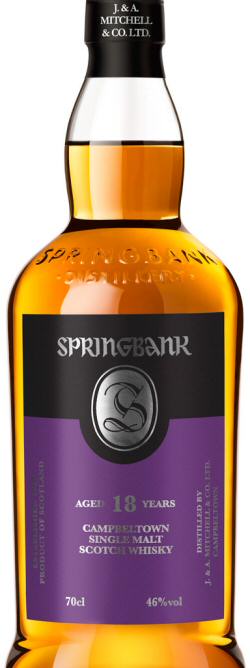
Springbank 18 Year Old

As mentioned in my recent review of the entry-level Springbank 10 year old, this Campbeltown distiller still performs the entire production process – from malting through to bottling – on site. They release lightly-peated offerings under the Springbank label, and also produce heavily-peated malt whisky (as Longrow), and peat-free malt whisky (as Hazelburn).

The Springbank 18 year old is a popular expression among enthusiasts, having a garnered a number of awards. My sample is from the second batch, and is courtesy of the redditor xile_. It has a bit of everything in it – the classic briny Springbank character, a bit of smoke, and a bit of sherry.  Bottled at a refreshing 46% ABV, Springbank doesn’t use coloring (or chill-filtering).

Here is how it compares to the other Springbank single malts in my Meta-Critic Whisky Database:

Hazelburn 8yo: 8.39 ± 0.36 on 11 reviews ($$$$)
Hazelburn 12yo: 8.63 ± 0.25 on 14 reviews ($$$$)
Longrow Peated: 8.82 ± 0.19 on 12 reviews ($$$)
Longrow 10yo: 8.57 ± 0.42 on 12 reviews ($$$$)
Longrow 18yo: 9.17 ± 0.22 on 7 reviews ($$$$$)
Springbank 10yo: 8.69 ± 0.25 on 19 reviews ($$$$)
Springbank 12yo Cask Strength: 8.84 ± 0.28 on 16 reviews ($$$$)
Springbank 18yo: 8.96 ± 0.19 on 17 reviews ($$$$$)

And here is how it compares to some other whiskies of similar age and style (although most below are more heavily peated):

Ardbeg 17yo: 9.04 ± 0.28 on 7 reviews ($$$$$+)
Bunnahabhain 18yo: 8.99 ± 0.17 on 14 reviews ($$$$$)
Caol Ila 18yo: 8.66 ± 0.51 on 14 reviews ($$$$$)
Highland Park 18yo: 9.11 ± 0.25 on 22 reviews ($$$$$)
Lagavulin 16yo: 9.23 ± 0.23 on 25 reviews ($$$$)
Laphroaig 18yo: 9.03 ± 0.27 on 18 reviews ($$$$$)
Longrow 18yo: 9.17 ± 0.22 on 7 reviews ($$$$$)
Oban 18yo: 8.70 ± 0.22 on 12 reviews ($$$$$)
Springbank 18yo: 8.96 ± 0.19 on 17 reviews ($$$$$)
Talisker 18yo: 9.20 ± 0.20 on 15 reviews ($$$$$)

Springbank 18 yo gets a very respectable score for a lightly-peated whisky (recall that heavily-peated whiskies invariably score higher in my database).

Here is what I find in the glass:

Nose: Sweet fruit compote, with tons of berries (blueberry, strawberry, raspberry), plums, rhubarb, raisins, and even some banana oddly enough.  Vanilla and toffee. Much less peat than the 10 yo, but still a bit of smoke.  Has the classic briny Springbank character, with a bit of pepper now. Rich, like creamed wheat. Very nice.

Palate:  Vanilla and toffee dominate, with fruits taking a back seat (although some red currants coming through now). Salty. Good peppery kick, with black licorice (anise) and some extra chilli spices thrown in. Cereal notes coming up now too. Very oily mouthfeel, rich and decadent.  A bit of tongue tingle builds. Faintest hint of smoke.

Springbank.18Finish: Long.  Salty, briny sea air with new notes of sweet chocolate showing up now. None of the bitterness or artificial sweetener I noticed on the 10 yo. Lingering spice. Just the right mix for my palate.

I tend to think of this Scotch as a slightly saltier and smokier version of my favourite Bunnahabhain 18 yo. Not quite as overtly sherried perhaps, but still a relatively sweet dessert dram.

While the Springbank 18 shows a relatively low standard deviation, opinions on this whisky can still vary. A particular point to keep in mind is that individuals differ in their ability to detect trace amounts of sulphur and other (typically) averse aromas and flavours. I discussed the genetics of this briefly in my Mortlach Rare Old review. For further discussion related to this particular sample, check out my comments in xile_’s review of the same bottle on the reddit whisky network.

As a general rule, if you are someone who is sensitive to bitter/sulphur notes, try a splash of water – that typically helps.

The highest praise I’ve seen for this whisky is from the Reddit whisky network, followed by the guys at Quebec Whisky, Oliver of Pour Me Another One, Ralfy, and Michael of Diving for Pearls. Although I have yet to see a truly negative review, more moderately positive examples come from Thomas of Whisky Saga, John of Whisky Advocate, and Jim Murray.


Longrow Peated

Longrow is the heavily-peated arm of Springbank distillers.  Regular Springbank releases have a certain amount of peat to them, but the Longrow brand amps this up by a considerable amount.

As explained in my Springbank 10 yo review, Springbank is one of the distilleries from the historical Campeltown region in Scotland. They are distinctive among distillers for controlling the entire production process on site (from malting, all the way to bottling). Overall, I find most Springbank whiskies to be fairly light and fruity.

Longrow Peated is the revised name for what was previously known as Longrow CV.  Although I separate these two expressions in my Whisky Database, it appears from the flavour descriptions and scores that what is in the bottle is not very different (i.e., this is just a labeling change).

Here are how the various Springbank offerings compare in my Meta-Critic Whisky Database:

Hazelburn 8yo: 8.40 ± 0.36 on 11 reviews ($$$$)
Hazelburn 12yo: 8.63 ± 0.21 on 12 reviews ($$$$)
Longrow CV: 8.82 ± 0.31 on 15 reviews ($$$)
Longrow Peated: 8.82 ± 0.19 on 12 reviews ($$$)
Longrow 10yo: 8.57 ± 0.44 on 11 reviews ($$$$)
Longrow 18yo: 9.17 ± 0.22 on 7 reviews ($$$$$)
Springbank 10yo: 8.69 ± 0.24 on 19 reviews ($$$$)
Springbank 12yo Cask Strength: 8.85 ± 0.28 on 16 reviews ($$$$)
Springbank 18yo: 8.96 ± 0.19 on 16 reviews ($$$$$)

And here is how it compares to some other whiskies of in the same price range and flavour cluster J class (i.e., heavily peated):

AnCnoc Rutter: 8.97 ± 0.30 on 6 reviews ($$$$)
Ardbeg 10yo: 8.96 ± 0.33 on 21 reviews ($$$)
Benromach Peat Smoke: 8.46 ± 0.26 on 12 reviews ($$$$)
Bunnahabhain Ceòbanach: 8.74 ± 0.27 on 9 reviews ($$$$)
Compass Box Peat Monster: 8.64 ± 0.33 on 16 reviews ($$$)
Ileach Peated Islay: 8.35 ± 0.29 on 6 reviews ($$)
Ileach Peated Islay Cask Strength: 8.83 ± 0.38 on 8 reviews ($$$)
Jura Prophecy: 8.64 ± 0.32 on 15 reviews ($$$$)
Kilchoman Loch Gorm: 9.02 ± 0.17 on 15 reviews ($$$$)
Lagavulin 8yo: 8.86 ± 0.27 on 11 reviews ($$$$)
Laphroaig Quarter Cask: 9.03 ± 0.27 on 21 reviews ($$$$)
Laphroaig 10yo: 8.86 ± 0.25 on 19 reviews ($$$)
Longrow Peated: 8.82 ± 0.19 on 12 reviews ($$$)

As you can see, the average score for the Longrow Peated fits in quite well with this class, with a very low standard deviation.

Note that while I have assigned Longrow Peated to the heavily-peated cluster J, it is really right on the border with the lightly-peated cluster I (which tends to get lower scores overall). It is definitely more peated than regular Springbank, though.

My thanks to Jason Hambrey of In Search of Elegance for the sample swap. Here is what I find in the glass:

Nose: Sweat peat, very earthy. Initial fruits are pear and apple, with a distinctive citrus element (tangerines) and something tropical (pineapple especially). Very malty. Herbal, with hints of a floral bouquet under the smoke. Definitely medicinal (i.e., antiseptic smell).

Palate: Light but earthy, with some definite salt now. A touch of vanilla for sweetness.  Lemon joins the citrus family, and the other fruit notes die down. Very cleansing. Uncomplicated but not dull, you feel like you are really directly experiencing the distillery character here. A wave of smoke wafts over your mouth as you swallow.

Longrow.PeatedFinish: Medium long, with a return of some of the lighter fruits (pear, and those tropical notes). Juicy fruit gum.  The smoke lingers, with a tingle in the back of your throat. Feels like an antiseptic – something they would have made you gargle with in a previous age.

Despite all the medicinal/antiseptic references above, this is actually quite pleasant. It is sweeter than most light-flavoured peated whiskies at this price point, but never feels artificial.  Quite brisk and cleansing.  This is one where you don’t really pick up much from the wood (beyond the standards in all Scotch). Very spirit-driven, as they say.

It is also very easy to drink – I was surprised to see how quickly I drained my glass.  Definitely up there as one of the lighter-tasting peated whiskies you should try on your Scotch whisky journey.  But the numb throat effect afterwards may make you feel like you’ve swallowed a local anesthetic.

As with Springbank 10 yo, the most favourable review I’ve seen for Longrow Peated comes from Serge of Whisky Fun.  More typical are Micheal of Diving for Pearls, My Annoying Opinions, Josh the Whiskey Jug, and the guys at Quebec Whisky. Honestly, I don’t really see any negative reviews of this whisky among the established reviewers.  A consistently solid choice.

1 6 7 8 9 10 11